Ulubatli Hasan (1428 – May 29, 1453) was a Timarli Sipâhî in the service of Sultan Mehmed II of the Ottoman Empire who achieved legendary status as a heroic Turkish martyr at the successful Siege of Constantinople.
He was born in a small village called Ulubat (near Karacabey) in the province of Bursa.
At the age of 25 he was present at the Siege of Constantinople (April 6, 1453 – May 29, 1453). The Turks had tried to take the grand city and last stronghold of the Roman Empire several times before, but this time, under the command of Sultan Mehmed II, who was in his early twenties at the time and already showing potential of being a great military leader, it looked like victory was at hand. But despite several assaults and the severe hammering by the cannons, the great double walls of Constantinople held for 53 days.

On the early morning of the last day of the siege, May 29, after the morning prayers, the Ottoman military band started to play one of their songs and the city was stormed. Ulubatli Hasan was among the first to climb the walls of Constantinople followed closely by thirty of his friends. He carried only an Ottoman kilij, a small shield and the Ottoman Flag. He climbed the wall, under showers of arrows, stones, spears and bullets. He reached the top and he placed the flag, which he defended until his 12 remaining friends arrived. After that he collapsed with 27 arrows still in his body. Seeing the Ottoman flag inspired the Ottoman troops and kept their spiritsup – and conversely, disheartened the Greek defenders – until finally the Ottomans did conquer Constantinople.
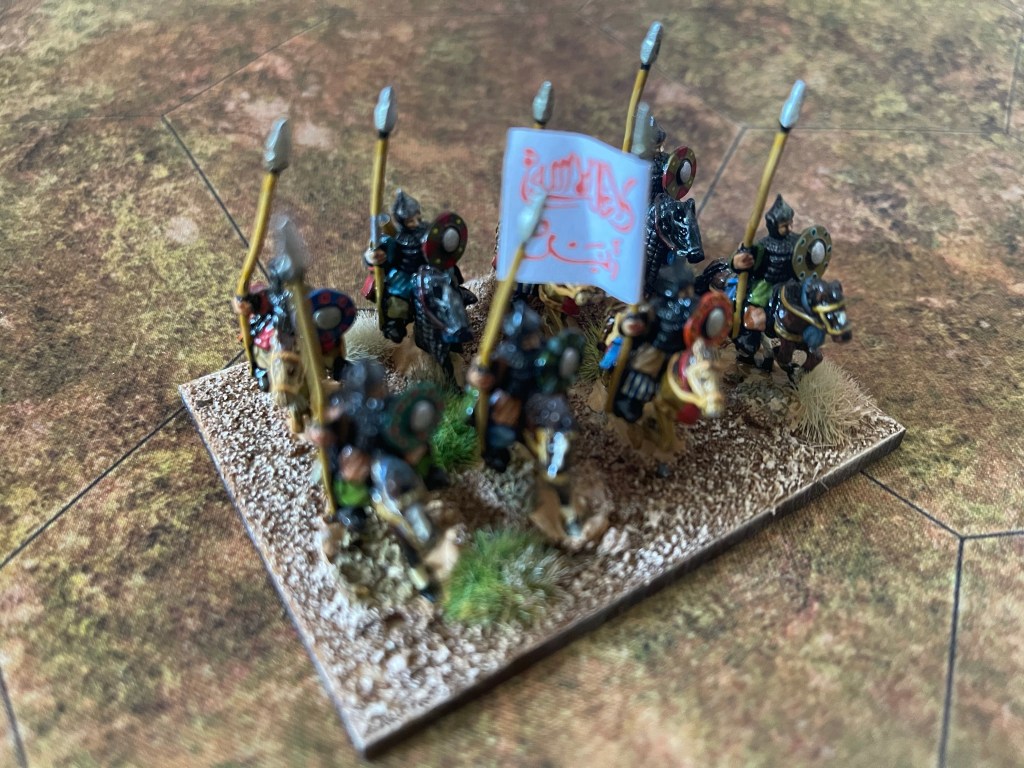
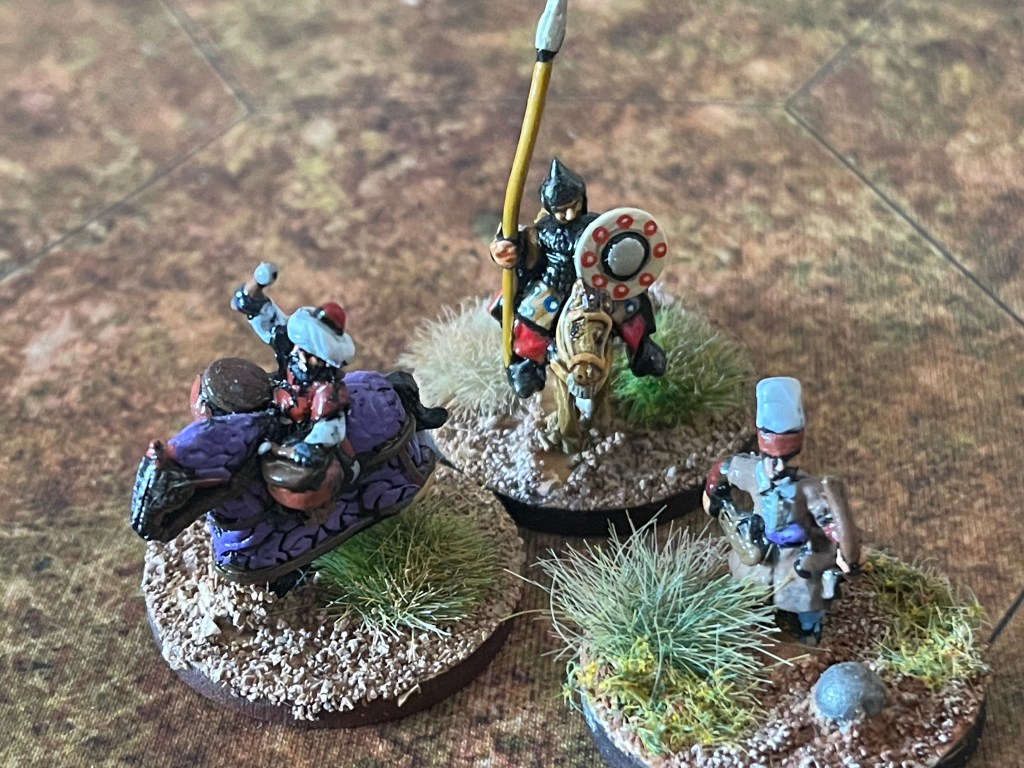
The sipâhii were the mainstay of the Ottoman army, much more so than the light horse raiders and their more famous rivals, the Janissaries. Ulubatli was an Anatolian sipâhi and master of the horse and bow. Supported by a land grant from the central state, these warriors are a colourful addition to the Ottoman army.


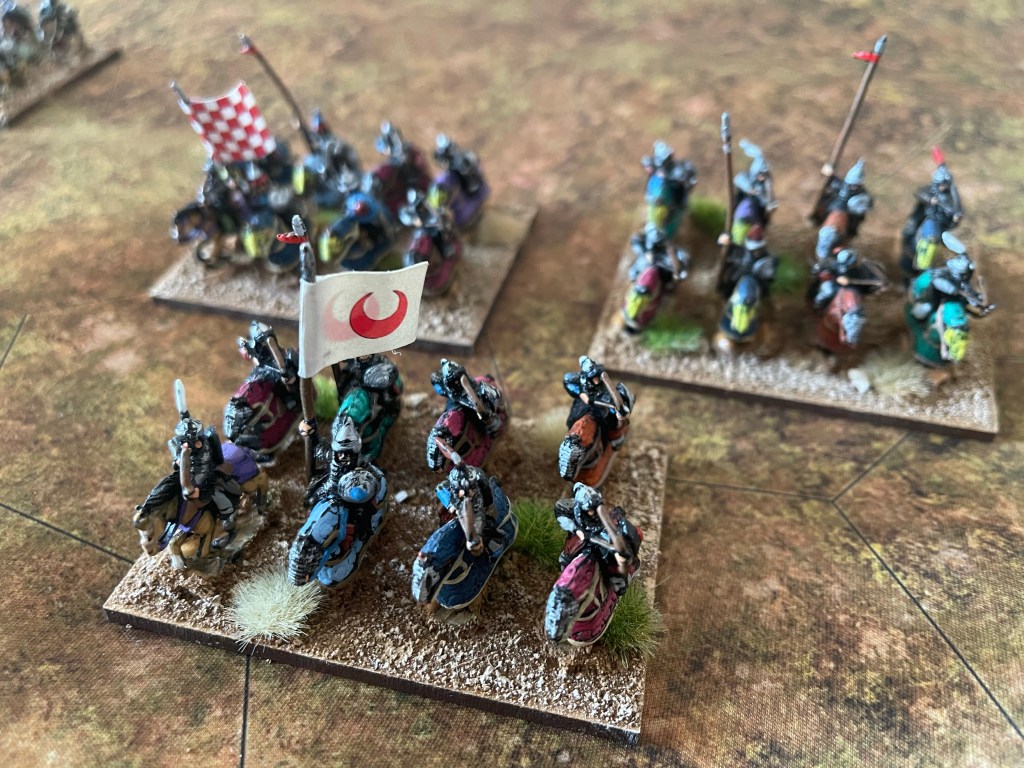
Above, are the European Sipâhi, these may well not be Turks as such. They carry a Balkan style lance in addition to bow and scimitar. My Serbian friends will no doubt take great pleasure in knowing that their ancestors helped the Turkish invasions!
It’s chilling to see the lack of understanding of current policy makers. The murder of civilians through terrorism had to be ‘justified’ by a twisting of Islam that only dates back perhaps two hundred years. Ulubatli on the walls of Constantinople was indicative of an older pre- Islamic tradition of the divine warrior; merging the Earthy with the Sublime. Human heroes are more worthy of praise than the Gods because when we do something heroic, we know that the consequences for ourselves may be catastrophic.
The earlier Iranian tradition and the Islamic conviction are a potent mix. Evola described the heady mixture,” when all indolence and cowardice are vanquished, and the leap beyond the lives of oneself and others, beyond happiness and misfortune, is driven by a sense of spiritual destiny and a thirst for absolute existence, then one has given birth to a force that will not be able to miss the supreme goal.”
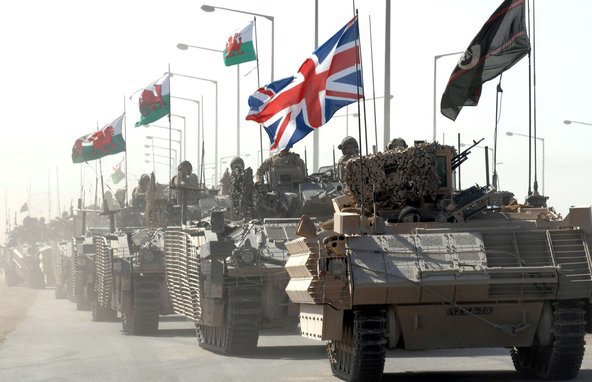
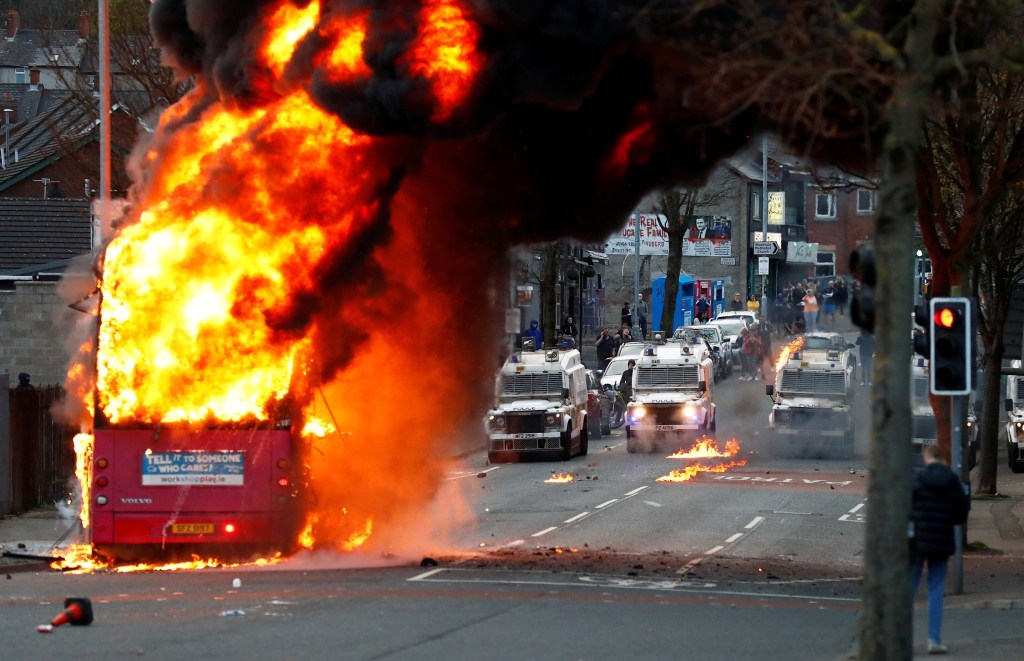
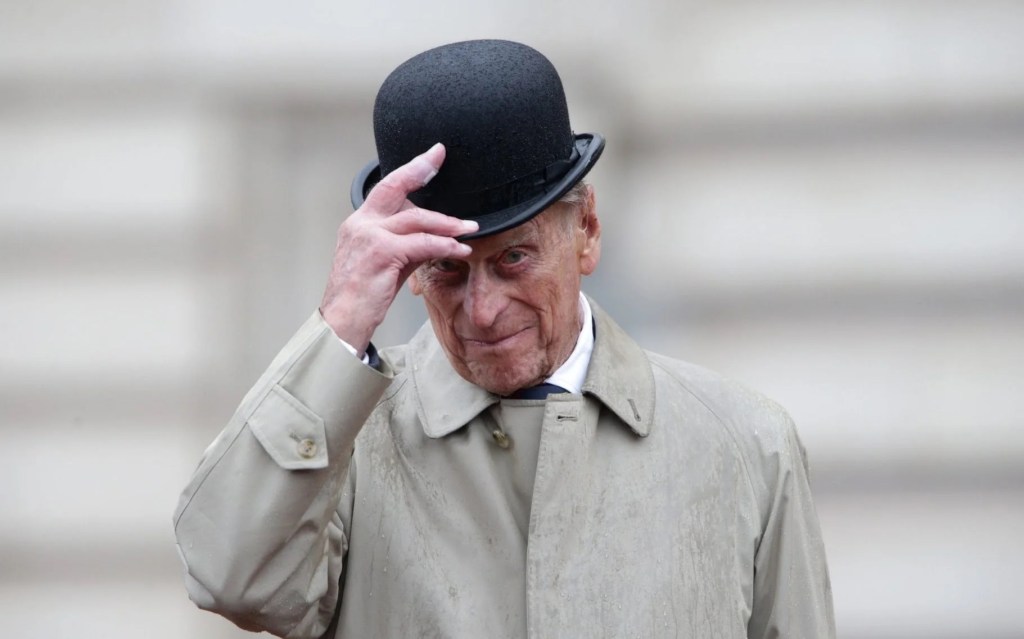
Evola is also useful in our understanding of this warrior tradition. In traditional society, the fallen hero is not actually dead, he is ‘present’ as an exemplary force. Is this tradition or code just the preserve of one nation or group? Well, we have seen how the Iranian, Roman , Germanic and Islamic tradition hold so much common ground. The sad loss of Prince Phillip this week has resonated because there is a real feeling abroad that he represented something that we in Britain have lost. Interestingly, the quinticential Englishman, Phillip has Greek and indeed Danish roots. On the streets of Northern Ireland the nation may yet be grateful for a spirit of defiance when Sinn Fein troops from the Republic are called in to the Shankill Road?
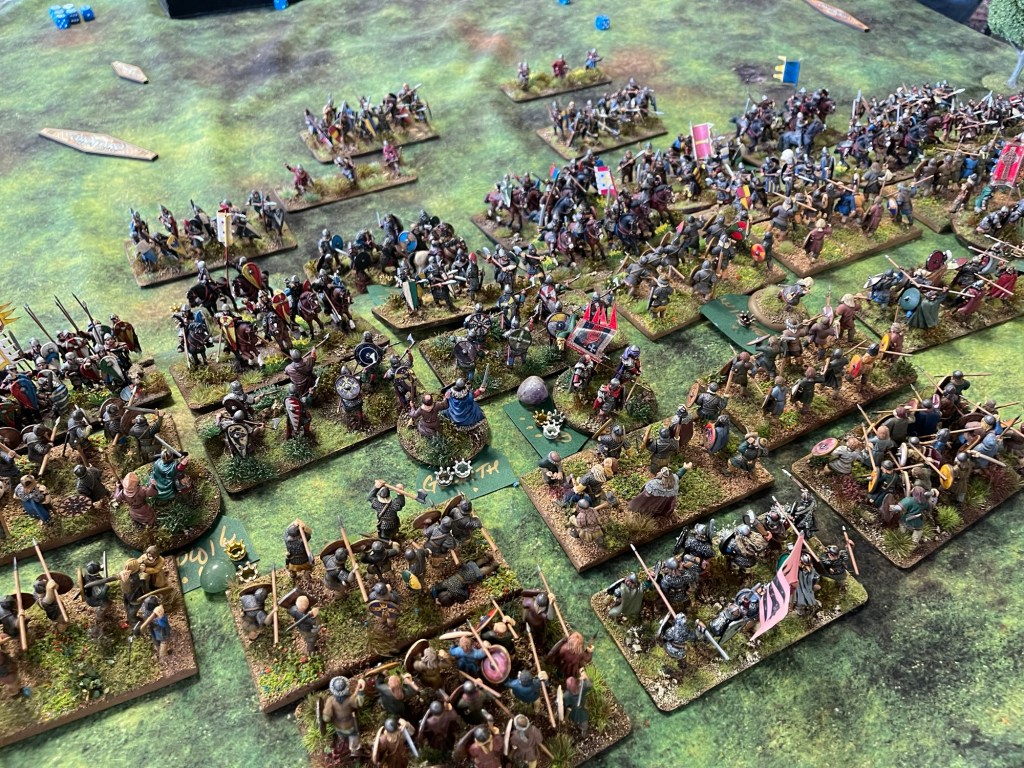
Next time someone criticised you for an obsession with toy soldiers, tell them that you are recreating on a tabletop the divine search for everlasting Truth! See how fast they move away from you then!



 Despertaferres
Leave a reply to grumpygnome101 Cancel reply